
Organizations are shifting their information management practices to prioritize data security, focusing beyond paper shredding. With electronic storage of sensitive records, intellectual property, and personal details, overlooking digital data destruction is a critical oversight, as digital threats increase in complexity and frequency.
Digital data security is crucial for protecting against financial loss, identity theft, and reputation damage, and incorporating secure methods of destruction is a non-negotiable aspect of responsible information governance. Companies that engage services offering mobile hard drive shredding NH benefit from expert guidance and the convenience of having secure destruction handled at their premises, sparing them the risks of transporting sensitive devices off-site.
Understanding Digital Data Destruction
Digital data destruction is making information stored on electronic devices inaccessible and unrecoverable. This goes beyond erasing files or reformatting drives, as the information can remain on the device and be easily retrievable with forensic software. High-profile incidents have highlighted organizations’ financial and operational risk when disposing of obsolete hardware, especially in highly regulated or competitive industries. Failing to render data truly inaccessible can have severe consequences.
Methods of Digital Data Destruction
Overwriting replaces data on a device with meaningless patterns, often performed using specialized software tools. It is suitable for less sensitive information or devices for reuse, but requires precise execution and monitoring. Degaussing is a process using magnetic fields to disrupt data patterns on storage media, making it unusable. It is suitable for large volumes of outdated equipment, but not for organizations wishing to donate or repurpose equipment. Physical destruction is the most definitive method for destroying electronic data, using industrial machines to shred, crush, or pulverize devices, leaving data permanently inaccessible.
Environmental Responsibility
Responsible digital data destruction is crucial for environmental stewardship and securing sensitive information. Electronic devices contain hazardous materials like heavy metals, which can leach into soil and water supplies. Certified e-waste recycling processes ensure safe disposal of dangerous components. This approach reduces raw resource extraction and upholds data privacy and environmental values, building credibility with clients and stakeholders.
Conclusion
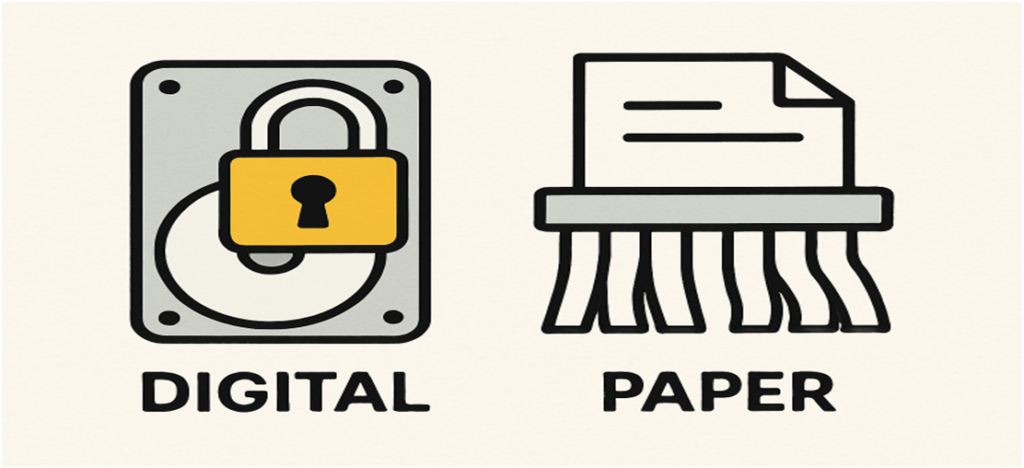
The world’s growing dependence on digital technology requires a holistic approach to information security, one where digital data destruction is as fundamental and routine as shredding sensitive paperwork. Partnering with expert services such as mobile hard drive shredding enables organizations to protect themselves against emerging threats, fulfill constantly evolving legal obligations, and demonstrate a strong commitment to environmental responsibility. As cyber risks become more prevalent and regulations tighten, treating digital data destructions as an organizational imperative—rather than a secondary concern—ensures your business, clients, and community remain safe in an increasingly digital world.