Table of Contents
- Physical Benefits of Personal Training
- Mental and Emotional Well-being
- Personalized Training Plans
- Social Connections Through Fitness
- Long-Term Health Management
- Overcoming Challenges in Starting a Fitness Routine
- Incorporating Strength Training into Daily Life
- Conclusion
As we age, prioritizing physical health becomes increasingly essential—not just for maintaining muscle strength and mobility but also for fostering confidence, independence, and a profound sense of belonging. Many older adults are discovering that engaging in in-home personal training for seniors offers one of the most effective pathways to holistic wellness. This personalized approach removes the barriers of crowded gyms or intimidating workout equipment and welcomes seniors into the comfort of their own homes. Here, consistency and safety are prioritized, making progress visible and achievable. The individualized attention from qualified trainers can motivate seniors to commit to new habits, build skills that matter for daily living, and ultimately experience longer-lasting wellness in all aspects of their lives. By connecting with trainers who truly understand the unique considerations of older adults, seniors can safely advance their fitness levels and experience genuine empowerment. These partnerships nurture physical and emotional growth, transforming exercise routines into carefully structured, adaptable programs that sharpen strength, balance, and well-being. The benefits extend well beyond the workouts themselves. Personal training helps boost emotional resilience, instill a stronger sense of self, and open doors to a thriving, supportive community.
Physical Benefits of Personal Training
Participating in a personal training program can transform how seniors move and feel, regardless of prior experience or ability level. Through regular strength and mobility exercises, muscle mass can be regained or maintained, stability improved, and flexibility enhanced. forming the foundation for confidently handling everyday challenges like climbing stairs, rising from low chairs, or carrying groceries. According to the American College of Sports Medicine, strength training is vital for adults over 50 to help counteract age-related muscle loss and support prolonged independence. Resistance and balance exercises, when appropriately incorporated, don’t just preserve—they actively lower the risk of falls and associated injuries, among the leading causes of hospitalizations for older adults. By making physical activity a cornerstone of daily routines, seniors can enjoy a safer, more vibrant life filled with renewed energy and greater ease of movement.
Mental and Emotional Well-being
The advantages of regular exercise go far beyond the physical.They are powerfully transformative for the mind and spirit as well. Engaging in scheduled physical activity stimulates the brain, enhances memory and cognitive sharpness, and supports better focus throughout the day. For many seniors, a structured exercise plan serves as a reliable tool to combat anxiety and depression, thanks to the release of endorphins. The body’s natural “feel-good” chemical, which can lift mood nd diminish stress. Whether advanced or straightforward, exercise routines create opportunities for seniors to set and achieve meaningful goals, fostering a consistent sense of accomplishment and reinforcing self-worth. The confidence and emotional strength that arise from this process often touch every area of life, empowering older adults to try new activities, connect with others, and approach daily hurdles with a positive outlook and a renewed sense of purpose.
Personalized Training Plans
Every senior comes to fitness with a unique story, goals, and health background. This diversity demands an approach centered on customization, which is why personalized training plans are so effective for older adults. Certified trainers take the time to get to know each individual’s strengths, limitations, conditions, and preferences. They use this insight to create dynamic workouts, adapting exercise one-size-fits-all prescriptions with arthritis, osteoporosis, or cardiovascular concerns, or recovering from injuries or surgeries. The guidelines ensure progress at an appropriate and safe pace—there is no one-size-fits-all prescription here. Instead, programs are continuously designed for gradual improvement in mobility, strength, and balance, ensuring that every session is practical and enjoyable. This approach mitigates the risks associated with generic group classes and alleviates them with motivation, encouragement, and the reassurance of ongoing professional support.
Social Connections Through Fitness
Loneliness and social isolation are real, pressing concerns for many seniors, but personal training and group fitness programs can be powerful antidotes. These opportunities for shared movement and mutual encouragement build meaningful relationships and a sense of belonging. Whether through small group classes, virtual sessions, or community-based programs, seniors find that working out together brings more than just physical results. It fosters camaraderie and friendship. Research and organizations like Five Star Senior Living demonstrates how group exercise supports mental health, reduces feelings of loneliness, and gives participants a network for motivation and accountability. Celebrating wins and sharing in setbacks together helps reinforce commitment and encourages ongoing participation, turning workouts into rewarding social events and helping seniors rediscover joy in shared activity.
Long-Term Health Management
Structured, consistent personal training holds incredible potential for managing and preventing chronic illnesses. Regular exercise improves circulation, cardiovascular strength, and metabolic regulation, which can help control common conditions such as diabetes, hypertension, osteoporosis, and heart disease. Seniors who work out under the guidance of skilled trainers often find it easier to maintain healthy body composition, regulate blood sugar, and keep blood pressure at optimal levels, sometimes even reducing their reliance on medications. Moreover, physical activity is closely tied to healthy aging, improved immunity, and overall vitality, making fitness a key driver for a longer, more independent life. In the big picture, exercise isn’t simply about weight loss oisn’tthetics—it’s about empowering seniors toit’sl strong, capable, and in control of their long-term health and daily well-being.
Overcoming Challenges in Starting a Fitness Routine
Beginning a new fitness routine may feel overwhelming, especially for seniors with concerns about frailty, the risk of injury, or a lack of familiarity with exercise. This is where qualified trainers truly shine—offering compassionate guidance, demonstrating proper technique, and tuning each routine to the individual’s comfort and capability. The emphasis is always on gradual progress, prioritizing safety above all else. For those
with specific medical considerations, trainers can partner with healthcare providers to develop routines that complement rather than complicate existing treatments. Step by step, this approach builds confidence and fosters a sense of achievement. By making exercise accessible and encouraging, seniors are far more likely to stick with new habits, turning short-term aspirations into lasting, life-changing commitments for health and happiness.
Incorporating Strength Training into Daily Life
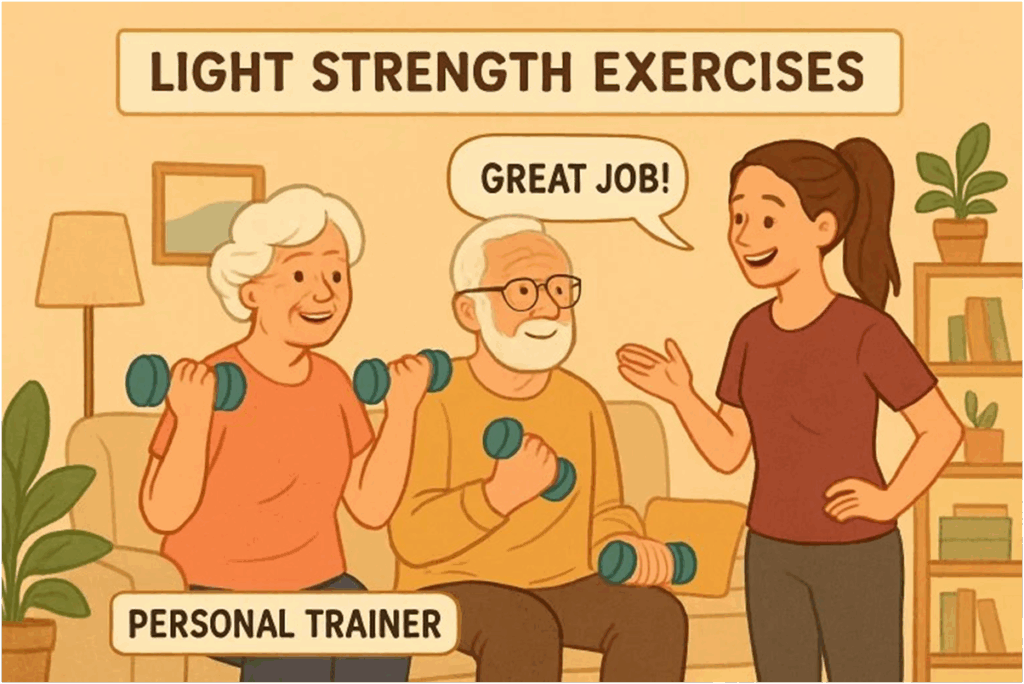
Integrating strength training doesn’t require investing in expensive gym memberships or spending hours on complicated equipment. Many of the most potent exercises—such as chair squats, wall push-ups, and resistance band routines. Can be performed safely at home, using only simple props or body weight. Even short sessions, as little as 15 minutes a few times a week, can spark impressive improvements in posture, strength, and independence. The key is consistency: making small, regular efforts that add up over time, gradually reshaping one’s capabilities and confidencone’s weaving these accessible movements into daily routines—while watching television, doing chores, or taking a walk—seniors develop habits that help preserve autonomy and keep the risks of falls and injuries to a minimum, making each day safer and more fulfilling.
Conclusion
Personal training for seniors is a cornerstone for building robust strength, deep confidence, and a vibrant sense of community. With the support of knowledgeable trainers, seniors benefit from tailored programs that nurture both body and mind, all within a comfortable and encouraging environment. Beyond the measurable physical gains, the journey brings empowerment, heightened well-being, and a renewed opportunity for social connection. Investing in a personal training routine means investing in a future ripe with independence, active engagement, and joy, ensuring every senior can look forward to each new day with optimism and vitality.


